blog

Best Commercial Embroidery Machine

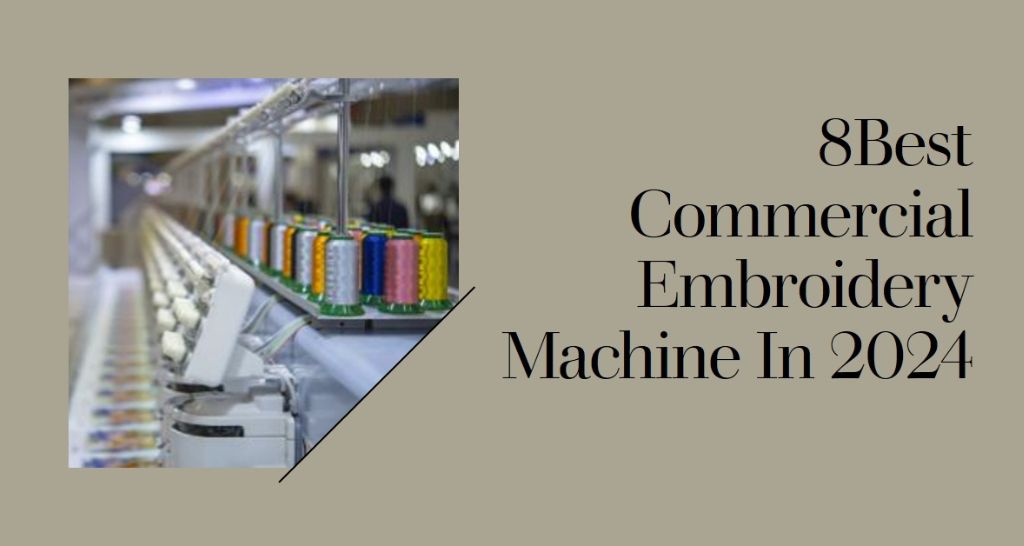
8 Best Commercial Embroidery Machine In 2024: In-Depth Guide and Reviews

In this guide, we explore the top 8 commercial embroidery machines of 2024, providing an in-depth analysis and reviews to aid your decision. Catering to various business sizes and budgets, our selection is based on efficiency, precision, ease of use, and customer feedback. We’ll highlight key features, pros, cons, and expert insights, ensuring you find the perfect machine to meet your business goals and creative needs in the ever-evolving world of commercial embroidery in 2024. Want Best Machinery For Your Digitizing Project? Experience the difference of professional-grade digitizing equipment & improve efficiency and accuracy with our top-of-the-line machinery. Get Free Quote Now What is a Commercial Embroidery Machines A commercial embroidery machine is a specialized device designed for high-volume, professional custom embroidery work. Unlike standard or home embroidery machines, commercial models are built for more rigorous, continuous operation and often feature advanced capabilities. Here are some key aspects: High Speed and Efficiency: These machines operate at higher speeds compared to home models, allowing for quicker completion of large orders. Multiple Needles: They often have multiple needles (sometimes over ten), each threaded with a different color. This setup enables quick color changes without manual rethreading, ideal for complex, multi-colored designs. Larger Embroidery Area: The embroidery area in commercial machines is usually larger, accommodating bigger designs and allowing work on various garment sizes and types. Robust Construction: Designed for continuous use, these machines are built with durability in mind to withstand the demands of a commercial environment. Advanced Features: They often come equipped with advanced features like touch-screen interfaces, detailed design editing software, and automatic thread trimming. Versatility: Commercial embroidery machines can handle a wide range of materials and garment types, from delicate fabrics to thick items like jackets and bags. Connectivity and Integration: Many modern machines offer options for network connectivity and integration with design software, streamlining the production process. Investment and ROI: They are a significant investment compared to home models but offer a higher return on investment (ROI) for businesses due to their efficiency and productivity. 2024’s Top 8 Commercial Embroidery Machines 1. Smartstitch S-1501 Commercial Embroidery Machine The Smartstitch S-1501 is a stellar option for entrepreneurs venturing into the embroidery business. This machine is equipped with 15 needles and offers a maximum speed of 1200 SPM. It features a 12″ touchscreen, Wi-Fi connectivity, and a large 14″x20″ embroidery area. Its standout attributes include laser positioning, automatic color change, and a comprehensive starter pack, making it a versatile choice for various materials. Pros Expansive embroidery area suitable for large projects. High needle count and speed significantly boost productivity. Advanced features like laser positioning ensure precision and quality. In-depth training and robust technical support enhance user experience. Cons The investment may be steep for small businesses or startups. Complexity of features might require a learning curve for beginners. Highlights Ideal for Starting an Embroidery Business 15 Needles & 1200 SPM Speed 12″ Touchscreen & Wi-Fi Capability Large 14″x20″ Embroidery Area Laser Positioning & Automatic Color Change Comprehensive Starter Pack Included 2. Janome MB-4Se Four-Needle Embroidery Machine The Janome MB-4Se is a compact yet powerful four-needle machine that excels in versatility. It works seamlessly with most embroidery formats, including professional ones. The machine is compatible with six industry-standard Tajima hoops and four Janome hoops, expanding creative possibilities. It features 50 built-in designs, 10 fonts for monogramming, and a maximum embroidery size of 9.4″ x 7.9″. Its USB and editing functions add to its user-friendly nature. Pros Supports a wide range of embroidery formats for versatility. Compact design makes it ideal for smaller workspaces. The inclusion of multiple hoops and designs fosters creativity. User-friendly interface with USB connectivity for easy design transfer. Cons Limited to four needles, which may reduce efficiency for larger projects. Smaller embroidery area compared to larger commercial machines. Highlights Four-Needle Professional Machine 50 Built-In Designs & 10 Monogramming Fonts Compatible with Industry-Standard Hoops Maximum Embroidery Size: 9.4″ x 7.9″ USB Connectivity & Editing Functions Ideal for Small Businesses and Personal Use 3. Baby Lock Array 6 Multi Needle Embroidery Machine The Baby Lock Array is a six-needle machine that combines power and innovation for an unparalleled embroidery experience. It features a high-definition touchscreen as the control center, allowing for quick design edits and immediate embroidery start. With 126 built-in designs and multiple features like a crosshair positioning laser, this machine is designed to turn creative visions into reality. Its ease of use makes it suitable for both beginners and experts. Pros The six-needle system enhances efficiency for multi-color projects. High-definition touchscreen offers intuitive control and design editing. Large embroidery field accommodates bigger projects. Features like the crosshair laser improve design placement accuracy. Cons Higher price point might be a barrier for some users. Six needles may still limit production speed for very high-volume businesses. Highlights Six-Needle Embroidery Machine Large Embroidery Field: 7-7/8″ x 11-3/4″ High-Definition Touchscreen Control 126 Built-In Designs & 50 Fonts Crosshair Positioning Laser for Precision Suitable for a Range of Skill Levels 4. Brother Persona PRS100 Single Needle Free Arm Embroidery Machine The Brother Persona PRS100 is a uniquely designed single needle embroidery machine, known for its free arm capability. This feature makes it exceptionally good for embroidering hard-to-reach areas. The machine boasts a 3.6″ x 6.0″ LCD display, 260,000 color capability, and a range of built-in languages. It’s designed for both simplicity and efficiency, with features like automatic thread cutting, advanced needle threading, and customizable embroidery settings. Pros Free arm capability for embroidering on difficult spots. Large, color-rich LCD display enhances user interaction. High versatility with numerous built-in designs and fonts. Automatic features streamline the embroidery process. Cons Single needle limits the speed for multi-color designs. May not be ideal for high-volume, large-scale productions. Highlights Single Needle with Free Arm Capability 3.6″ x 6.0″ LCD Display with 260,000 Colors 405 Built-In Embroidery Designs 20 Size-Adjustable Embroidery Lettering Fonts Advanced Automatic Features Ideal for Personal Use and Small Projects 5. Juki Tajima Sai 8 Needle Embroidery Machine The Juki Tajima Sai is an 8-needle

8 Best Commercial Embroidery Machine In 2024: In-Depth Guide and Reviews Read More »
Best Embroidery Scissors

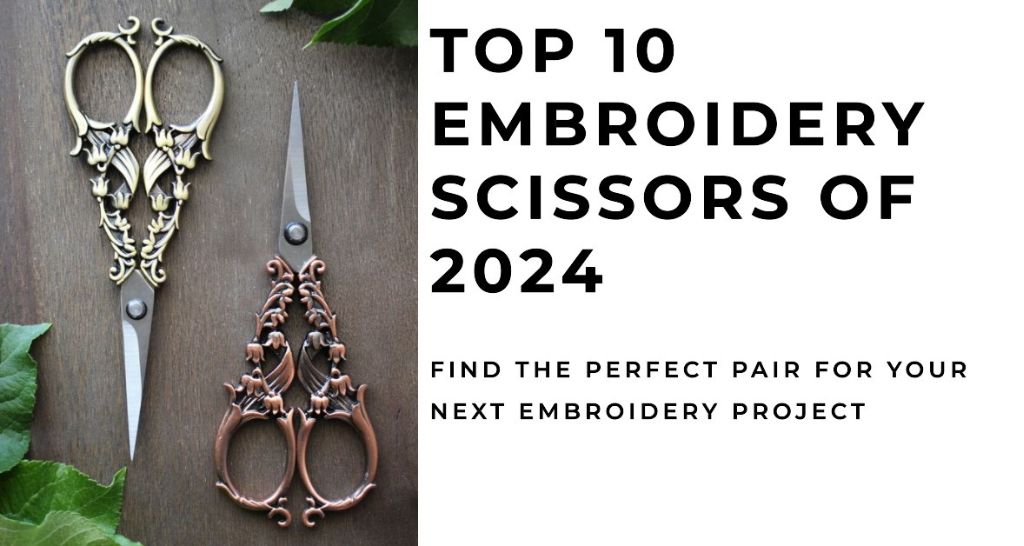
10 Best Embroidery Scissors You Can Use in 2024

Embroidery enthusiasts know the importance of having the right tools, and among them, the best embroidery scissors stand out for their precision and ease of use. In this guide, we’ll explore ten top picks for 2024, each offering unique features that cater to various embroidery digitizing needs, from precision cutting tools to small sewing scissors. Whether you’re working on cross-stitch projects or tailoring embroidery, these scissors provide the perfect blend of performance and design. Our 10 Best Embroidery Scissors Pick In 2024 1. Westcott Titanium Bonded 4-Inch Curved Sewing Scissors for Embroidery The Westcott Titanium Bonded Scissors are a top choice for durability and sharpness. Their titanium and chromium nitride bonded blades resist corrosion and stay sharp longer. The ergonomic handles ensure comfort, reducing fatigue during prolonged use. Pros: Exceptional sharpness, corrosion-resistant, ergonomic design. Cons: May be too lightweight for heavy-duty materials. Highlights: Titanium Bonded, Comfortable Grip, Versatile Sizes. 2. Fiskars Premier 5-Inch Micro-Tip Crafting Scissors Fiskars is renowned for its high-quality craft scissors. These micro-tip scissors are ideal for intricate details, with precision-ground stainless steel blades and a comfortable double-loop handle. Pros: Superior precision, durable construction. Cons: Limited to fine detailing work. Highlights: Micro-Tip Blades, Ergonomic Design, Precision Cutting. 3. Gingher Stork Embroidery Scissors Gingher offers these beautifully crafted scissors with gold handles and forged steel blades. They are perfect for delicate embroidery work, coming with a protective leather sheath. Pros: Aesthetically pleasing, sharp and precise. Cons: Not suitable for cutting thicker materials. Highlights: Premium Forged Steel, Decorative Handles, Leather Sheath. 4. Guggenhein IX, Professional Tailor Shears Ideal for dressmaking, these 9-inch shears cut through various fabrics with ease. Their extended blade length and strong tips are perfect for notching seams and cutting straight lines. Pros: Long blades for efficient cutting, strong tips for notching. Cons: Heavier and larger, may not be ideal for small, detailed work. Highlights: Extended Blade Length, Metal Handles, Versatile Fabric Cutting. 5. PENTA ANGEL 4.1inch Sewing Scissors Yarn Thread Scissors Mini Small Snips These compact and highly efficient scissors are perfect for snipping threads and small sewing tasks. Their size makes them a handy addition to any sewing kit. Pros: Small and portable, sharp for precise cuts. Cons: Too small for cutting larger fabric pieces. Highlights: Compact Size, Sharp Blades, Versatile Material Cutting. 6. SINGER 00557 4-1/2-Inch ProSeries Detail Scissors with Nano Tip Known for ultra-sharpness, these scissors feature a nano tip for detailed work. They are designed for effortless cutting with a focus on comfort and precision. Pros: Ultra-sharp, comfortable design. Cons: Limited size for larger projects. Highlights: Nano Tip, Stainless Steel Blades, Ergonomic Design. 7. BIHRTC Stainless Steel Sharp Tip Classic Stork Scissors These stork scissors blend functionality with a vintage aesthetic. They are versatile, suitable for embroidery, crafting, and even hair trimming. Pros: Sharp and versatile, attractive design. Cons: May not be the best choice for heavy-duty fabric. Highlights: Sharp Blades, Vintage Design, Multi-Use. 8. Yueton Vintage European Plum Blossom Design Embroidery Scissors The Yueton vintage European copper-plated scissors feature a unique plum blossom design, ideal for detailed embroidery work and trimming threads. Pros: Aesthetically unique, sharp points for detail work. Cons: Decorative design may not suit all preferences. Highlights: Vintage European Style, Sharp Points, Ideal for Detail Work. 9. Tim Holtz 7-Inch Mini Titanium Snip Scissors These scissors come with a non-stick coating and micro-serrated edge, perfect for crafting applications. The Kushgrip handles ensure comfort during use. Pros: Non-stick coating, micro-serrated edge for precision. Cons: Larger size may be cumbersome for some users. Highlights: Non-Stick Coating, Micro Serrated Edge, Comfortable Grip. 10. X-ACTO Z-Series Precision Craft Knife, 2-Inch Blade Not a traditional scissor but a vital tool for precision cutting, the X-ACTO Z-Series knife offers sharp, durable blades for detailed work on various materials. Pros: Ultra-sharp, durable, ideal for precision tasks. Cons: Requires careful handling due to sharpness. Highlights: Zirconium-Nitride Coated Blades, Ideal for Medium-Density Materials, Precise Cuts. Buying Guide When Buying Embroidery Scissors 1. Blade Quality and Material Blade Sharpness: The primary function of embroidery scissors is precise cutting. Look for scissors with blades that are sharp enough to easily cut through various types of thread and fabric without fraying or snagging. Sharp blades provide cleaner cuts and more precise control, which is crucial for detailed embroidery work. Material Durability: Stainless steel is a popular choice due to its rust resistance and durability. Some scissors also feature titanium bonding for added strength. A good quality blade material ensures longevity and consistent performance. 2. Ergonomics and Comfort Handle Design: The comfort of the scissors is paramount, especially during long embroidery sessions. Ergonomically designed handles that fit well in your hand can significantly reduce hand fatigue and strain. Look for scissors with soft-grip handles or those designed to fit the natural curve of your hand. Size and Weight: The size and weight of the scissors should align with your hand size and comfort level. Lightweight scissors are usually easier to maneuver, which is essential for intricate work. However, some might prefer a bit of heft for added control, especially when cutting through thicker materials. 3. Types of Scissors for Different Embroidery Tasks Fine-Tip Scissors: These are ideal for precision cutting, especially in tight spaces or when working with delicate fabrics. They allow for meticulous control and are perfect for snipping tiny threads. Larger Shears: Larger shears are suitable for cutting out patterns or working with thicker materials. Their longer blades make it easier to make long, straight cuts. 4. Additional Features to Consider Serrated Edges: Scissors with serrated edges offer better grip on the fabric, preventing it from slipping as you cut. This feature can be particularly useful for cutting slippery or delicate fabrics. Decorative Handles: While functionality is key, the aesthetic appeal of scissors can also be a consideration. Decorative handles can add a personal touch and make your crafting tools more enjoyable to use. Thread Cutter Integration: Some scissors come with a built-in thread cutter, adding convenience and speeding up your workflow. 5. Safety and Storage Protective Sheaths:

10 Best Embroidery Scissors You Can Use in 2024 Read More »

anime embroidery designs

How To Create Your First Anime Embroidery Design

Ever thought about mixing your love for anime with embroidery? Well, you’re in the right place. I’m going to show you how to turn those awesome anime characters into amazing pieces of embroidery designs for your clothes and head wear. Don’t worry if you’re new to this or if you’ve got some stitches under your belt already – I’ve got something for everyone. We’re going to explore the quirky world where threads meet anime, bringing out the best of both worlds. So, grab whatever you’ve got – needles, threads, or just your curiosity, and let’s get into the nitty-gritty of crafting your anime favorites into something you can touch and feel! Let’s Get Stitching! Begin Your Anime Embroidery Journey! Turn your favorite anime characters into stunning embroidery designs with Punch Digitizing’s expert services! Get Free Quote Now Understanding Anime Embroidery Designs Anime embroidery is an artistic fusion that brings together the colorful and expressive world of Japanese animation with the age-old craft of needlework. Characterized by vibrant colors, bold lines, and intricate details, anime embroidery designs capture the essence of your favorite characters and scenes in thread form. This form of embroidery not only celebrates the beauty of anime art but also allows you to develop your skills in a fun and engaging way. Whether it’s a chibi version of a beloved character or a detailed scene, anime embroidery turns fabric into a canvas for storytelling and creativity. 1: Choosing the Right Materials To start your anime 3D puff embroidery journey, selecting the right materials is crucial. You’ll need embroidery needles, which come in various sizes. For beginners, a medium-sized needle is versatile for most designs. The fabric choice is equally important; a plain weave fabric like cotton or linen provides a good foundation. When it comes to thread, embroidery floss is available in a rainbow of colors. Choose colors that closely match your anime character. Lastly, an embroidery hoop will keep your fabric taut while you work, ensuring even stitches. These basic supplies set the stage for a successful embroidery anime project. 2: Selecting Your First Design Choosing your first anime embroidery design can be exciting yet overwhelming. Start with a simple design that has clear lines and minimal color changes. Popular choices for beginners include iconic symbols from anime, like the Konoha symbol from Naruto or the Straw Hat Pirates‘ flag from One Piece. If you prefer a character, opt for one with less complex features. Remember, the goal is to enjoy the process and learn, not to create a masterpiece on your first try. You can find patterns online or create your own by tracing an image onto tracing paper and then transferring it to your fabric. 3: Basic Embroidery Stitches for Anime Designs To bring anime designs to life, you need to master a few basic stitches. The backstitch is essential for outlining and defining the shapes of characters. For filling in larger areas, the satin stitch provides a smooth, solid fill. The split stitch, with its braided texture, is great for detailing and small features like eyes or mouths. Finally, the French knot can add dimension and detail, perfect for embellishing eyes or buttons. Practicing these stitches on scrap fabric before starting your project can build confidence and skill, making your anime embroidery journey more enjoyable and rewarding. 4: Finishing Your First Piece Once you’ve completed your embroidery, it’s important to finish it properly. Gently remove the fabric from the hoop and iron it on a low setting to remove any wrinkles or hoop marks. If you plan to frame your work, consider using acid-free backing paper to preserve the fabric and colors. For a more casual display, you can also sew your embroidery onto items like tote bags or cushions. Remember to secure any loose threads on the back of your work with knots or running stitches. Finishing your piece well ensures that your anime embroidery art stands the test of time. Learn how to effectively fix embroidery mistakes How To Digitize Anime Art for Embroidery Design Digitizing anime art for embroidery is a process that transforms your favorite anime images into stitchable patterns. It involves using software to convert the image into a format that an embroidery machine can read. This technology allows for precise and complex designs, making it possible to create detailed and accurate renditions of anime characters. Applique Digitization opens up a whole new realm of possibilities, enabling embroiderers to work with intricate designs that would be challenging to do by hand. Whether you’re looking to create patches, apparel, or decorative art, digitizing anime art can take your embroidery projects to the next level. 1: Choosing the Right Software Selecting the right software is crucial for digitizing anime art for embroidery. There are various software options available, ranging from basic to advanced. For beginners, free or low-cost software like Ink/Stitch or Embird can be a good starting point. These programs offer basic digitizing tools and are user-friendly. More advanced users might opt for professional software like Wilcom or Hatch, which offer a wider range of features and greater control over the digitizing process. Consider your skill level, the complexity of the designs you want to create, and your budget when choosing software. Many programs offer trial versions, allowing you to test them before committing. 2: Converting Anime Art to a Stitch Pattern Converting anime art into a stitch pattern is a step-by-step process. First, select a clear and high-resolution image of your anime character. Import this image into your chosen digitizing software. The software will then allow you to trace over the image with various stitch types, converting the image into a stitchable pattern. Pay attention to details like outlines, fill areas, and color changes. The software will also enable you to set the stitch length and density, which is crucial for achieving the right texture and detail. Take your time during this process to ensure accuracy and the best possible outcome. 3: Adjusting the Design for Embroidery After

How To Create Your First Anime Embroidery Design Read More »

Flat Embroidery vs 3D Puff Embroidery

Flat Embroidery vs 3D Puff Embroidery – A Professional’s Guide To Choosing The Right Technique

Flat embroidery vs 3D puff embroidery stand out for their unique visual and tactile qualities. This Punch Digitizing guide explores methodologies’ features, uses, and practical aspects, helping professionals make well-informed project decisions.  What is 3D Puff Embroidery? Definition and origin of 3D puff embroidery. Definition  3D puff embroidery is a specialized technique that creates a three-dimensional appearance on fabric. This effect is achieved by placing a foam layer under the embroidery stitching area and then stitching over with tight, dense stitches. As the stitches are applied, they compress and cover the foam, causing it to expand slightly and “puff up,” resulting in a raised, textured surface on the design. This technique is distinguished by its tactile, prominent look, which stands out in contrast to traditional flat embroidery. Origin of 3D Puff Embroidery This method became very popular in the late 20th century, especially in the sports and fashion industries.  The technique was further popularized in sports merchandise, especially in team logos on caps and jackets. 3D puff embroidery services has been used to add a unique texture and depth to garments, aligning with trends that favor tactile and visually striking elements. Materials and Specialized Equipment Needed for 3D puff Materials Foam:  The foam is the most essential component of 3D puff embroidery since it forms the foundation of the puffed design. Usually, polyurethane or another flexible, soft non-woven material is used to make this foam. The thickness can change based on the desired height of the puff effect; it typically ranges from 2 to 6 mm. Embroidery Thread: High-quality embroidery threads are used to stitch over the foam. These can be standard embroidery threads. Fabric: Sturdy fabrics are preferred for 3D puff embroidery to support the weight and volume of the foam and stitches.  Specialized Equipment Embroidery Machine:  A high-quality embroidery machine capable of handling the thickness of the foam and fabric is essential. Machines with adjustable presser foot height are particularly beneficial for 3D puff embroidery. Embroidery Hoops or Frames: These hold the fabric and foam in place during embroidery.  Scissors or Cutting Tools: Sharp scissors or cutting tools are needed to trim away the excess foam from around the embroidered design after the stitching is complete. How 3D puff embroidery Stands Out in Modern Fashion and Branding? 3D puff embroidery is popular in modern fashion and branding because it makes designs look cool and stand out. This embroidery has raised stitches, so the design looks like it’s popping out from the fabric. It’s like 3D effects in movies, but for clothes and accessories. This makes it great for things like logos on hats or jackets, where you want the design to catch people’s eye. Brands like 3D puff embroidery because it gives their products a unique and stylish look that gets noticed. What Is Flat Embroidery? Definition and history of flat embroidery. Definition  Flat embroidery is a technique of decorating fabric using needle and thread to create designs that lie flush with the fabric’s surface. Unlike 3D embroidery, which uses foam to create a raised effect, flat embroidery involves stitching directly onto the material without additional layers, resulting in a smooth, matte appearance. History of Flat Embroidery The earliest examples of flat embroidery newfound in China and the Middle East. In China, this vector art dates back to at least the Shang Dynasty (1600–1046 BC). The Chinese used silk thread to create intricate designs, often featuring floral and nature-inspired themes. Meanwhile, in the Middle East, embroidery was used to decorate various items, from household goods to clothing.  Common Materials and Tools Used in Flat Embroidery Materials Threads:  Cotton Silk Rayon Polyester Metallic Thread Fabrics Cotton Linen Silk Canvas and Denim Tools Embroidery Hoops:  Hoops are essential for keeping the fabric taut while custom embroidering. They come in various sizes and materials, like wood or plastic. Embroidery Needles: The needle choice depends on the fabric and thread type. Embroidery needles have a longer eye than regular sewing needles, making them easier to thread with embroidery floss. Scissors:  A good pair of sharp scissors is crucial for cutting threads and trimming fabric. Small, sharp embroidery scissors are best for precision cutting. Thimbles: Used to protect the fingers when pushing the needle through the tough fabric. Transfer Tools: Include pencils, pens, and transfer papers used to transfer the design onto the fabric before stitching begins. Applications and Popular Uses in Fashion and Design.  Clothing: On clothes like shirts, dresses, and jackets, flat embroidery is used to add pretty patterns, logos, or even unique details like someone’s name. Accessories:  Things like hats, scarves, and bags often have flat embroidery to make them look more stylish or show off a brand’s logo. Home Decor:  You can find flat embroidery on items in the house, too, like cushion covers, bed linens, or curtains. It adds a nice, decorative touch. Corporate and Team Logos:  Companies and sports teams use flat embroidery on their uniforms and merchandise.  Art and Craft:  Some people use flat embroidery as a form of art, creating excellent pictures or designs just using thread on fabric. Comparative Analysis A comparative analysis of flat embroidery and 3D puff embroidery reveals distinct differences in aesthetic, durability, and suitability for various applications, each having its unique advantages and limitations Aesthetic differences: Texture, Visual Impact, and Style Aesthetic Differences Flat Embroidery: Offers a classic, smooth, and elegant appearance. It’s excellent for detailed and intricate designs, allowing for precision and subtlety in artwork. 3D Puff Embroidery:  Provides a bold, raised, and tactile effect. This style stands out visually and is best suited for simpler, larger designs with a desired three-dimensional impact. Texture Flat Embroidery:  To the touch, this type feels smooth. The stitching doesn’t stand out because it is flat against the fabric. It’s like a picture drawn on the fabric with threads. 3D Puff Embroidery: This kind has a raised texture. Because the foam under the stitching pops out from the fabric, creating a bumpy, three-dimensional feel. It’s more like a 3D sticker on the

Flat Embroidery vs 3D Puff Embroidery – A Professional’s Guide To Choosing The Right Technique Read More »

How To Fix Embroidery Mistakes Effortlessly

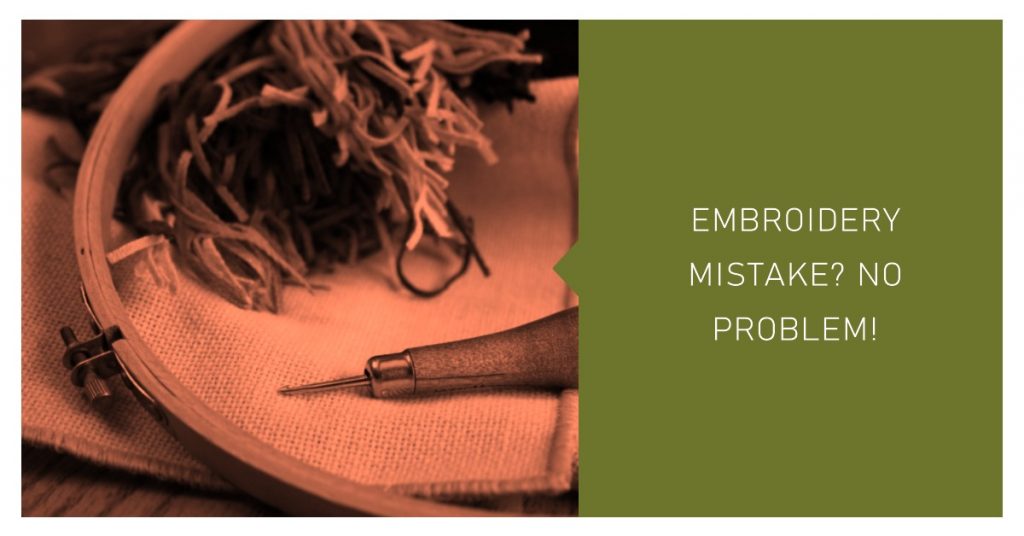
How To Fix Embroidery Mistakes Effortlessly?

Using a needle and thread, embroidery is a lovely and complex art form that lets you express your ideas. Even the most skilled embroiderers occasionally make mistakes when stitching, though. Don’t worry if there’s a stitch that went wrong, a color mismatch, or a design flaw. In this blog we will very easily explain how to fix embroidery mistakes. One of the most crucial elements of the embroidered finishing process’s quality is the product’s finishing. To enhance the quality of the job and provide clients with superior digitizing services, the embroiderer must finish the work after completing the embroidery. Want To Fix Your Embroidery Mistakes Professionally? Don’t let embroidery mistakes ruin your project. Let Punch Digitizing’s experts fix it Contact Us Common embroidery mistakes  Misaligned patterns Tangled threads can throw off the alignment of a pattern, especially when changing needles or working close to the embroidery frame. Color bleeding Issues Take care to select colorfast thread when sewing. To test the thread’s endurance, soak it in vinegar and hot water first. If the threads’ color is not saved it will ruin the full work. Fabric Damage  If you use an embroidery needle that is too big for the project, the fabric may get holes where the needle and thread go through. Also, it may result in puckered cloth. Thread Tension Problems  There will be more white bobbin thread visible on the underside of the custom embroidery if the top tension is overly tight. You’ll see a lot more of the top thread if it’s too loose. When the lines at the bottom of the stitching are equal and spaced about one-third apart, you will know the tension is adjusted right. Tools and Materials Needed for Fixing Mistakes  The necessities listed are what you’ll need to finish the embroidery projects. Essential Embroidery Tools  Six-inch plastic hoops for embroidery 6-inch wooden embroidery hoops—you’ll need three for each of the three crafts, depending on how many patterns you want to frame A set of needles for embroidery A pen that dissolves in water scissors for embroidery and pinking  Fabric glue  Fabri-Tac Steam Iron  Ironing board Some kind of light tablet or lightbox  A printer/scanner to print and create patterns Additional Helpful Materials  Castile soap or laundry soap without scent (used to wash embroidery) An ironing board (used for blocking embroidery), clothespins, and sewing pins. a piece of strong canvas larger than your embroidery water-filled spray bottle Three, four, and five-inch embroidery hoops to aid with border drawing on designs Sewing rulers that are clear for designing patterns Bobbins of embroidery floss Containers for storing floss Tips on Selecting Quality Tools and Materials  An embroiderer needs to understand the role and importance of tools to fix embroidery mistakes. Possibly the most useful tool you have is patience. Machine embroidery requires time to remove, so you’ll need to consider how much the item is worth about the time required. We need to select tools and materials according to our embroidery work. A common method for creating hats and caps using embroidery software is cap and hat digitizing. This method is still in use today and has been for a very long time. This method aims to apply text on caps and hats without requiring other tools. Digitizing a cap or hat is an easy process. Designs are converted into digital files using it. In 3d Puff Embroidery, a raised design is created by sewing thread over a piece of foam. 3D embroidery patterns usually come at an additional cost because it takes more time, unique expertise, and materials. How To Fix Embroidery Mistakes Step-by-Step Guide To Fixing Mistakes  Examine the embroidery errors closely and assess their severity before taking any corrective action, whether it’s to eliminate statin stitches or prevent embroidery issues. Selecting the best course of action to correct the error will be made easier if you are aware of its scope.  Correcting Misaligned Patterns  Hit [MENU]. To view the screen below, press [△] twice after pressing [▲] once. Hit [ENTER]. Verify the P&C1 test pattern. Tap [▼] twice to bring up the screen below. Hit [ENTER]. To view the screen, press [▲]. Verify the corrected values obtained from the P&C2 test pattern condition. Hit [▷]. Once the correction numbers have been set to your satisfaction, hit [ENTER]. Hit [ENTER]. Addressing Color Bleeding  Rinse, rinse, rinse, rinse if colors bleed when being laundered. Rinse forty to fifty times, without fear! Even after drying, the item might be salvageable if the bleeding contaminates other fibers. The object should be submerged in ice-cold water until the color begins to emerge. Repairing Fabric Damage  Errors can occasionally result in the fabric weakening or deforming. You can reinforce the region using a stabilizer or backer to remedy this. Trim a small piece of backing fabric or stabilizer to fit the problematic area, then carefully stitch it to the back of the embroidery, making sure the stitching lines up with the error. This method stops additional deterioration of the materials and adds support. Fixing Thread Tension Issues   The thread should be sturdy enough to complete your job without being overly tight to the point that wearing the final item becomes uncomfortable. How to remove Satin Stitches  If you have a stitch eraser (a variety of banded erasers, similar to a barber’s clipper), carefully move the eraser back and forth over the backside until you see the stitches being cut, as directed by the manufacturer. When completed correctly, it will resemble fuzz.   It’s important to keep in mind that you won’t be able to extract every stitch from your clothing in one go, but you should be able to extract the majority and then go back with tweezers or embroidery scissors to complete the task. You can work on a few threads at a time and achieve the same results with little embroidery scissors or a seam ripper. How to Remove Tatami Stitches  Tatami is a little different, but it can be taken off with perseverance. A brick-like stitch

How To Fix Embroidery Mistakes Effortlessly? Read More »

Understanding Applique Embroidery And Mastering the Art

Expert Guide to Applique Embroidery: Art and Technique

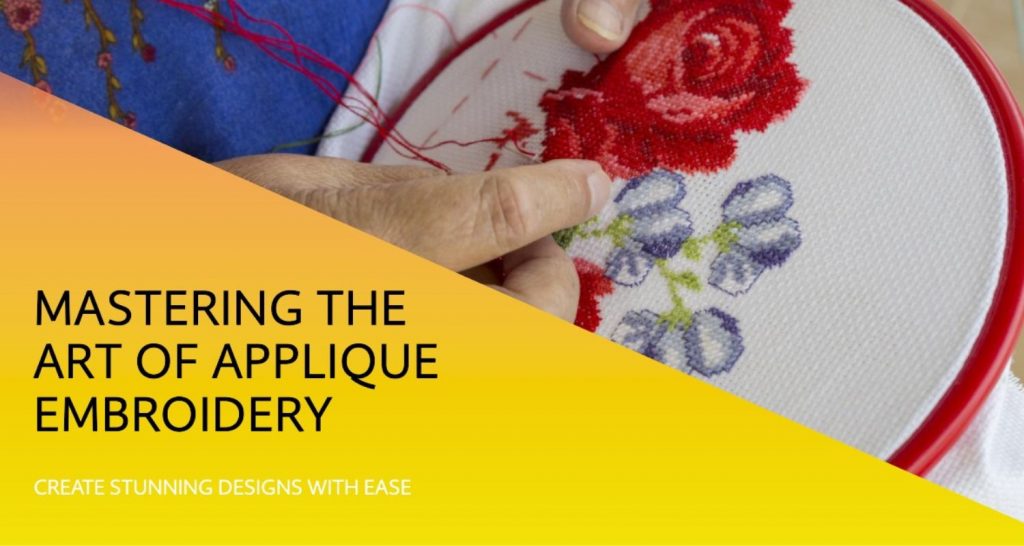
A classic needlework method called applique embroidery involves sewing tiny bits of cloth onto a foundation fabric to produce intricate patterns and decorations. The depth and richness added by this technique make the needlework stand out from other stitching techniques. A versatile artistic medium, applique can be used to produce both complicated motifs and basic shapes. As they spark off on this adventure into the sector of applique embroidery, readers may anticipate gaining a profound understanding of the alternative. Not only readers will realize the intricate details of applique needlework, but they will additionally be organized to tackle the realistic aspect of making their very own fantastic applique pieces. This blog seeks to encourage and mentor you via the captivating world of applique embroidery, regardless of your experience level. Importance In the World of Embroidery In the wide and varied world of embroidery, appliqué occupies a special and important place. Its ability to combine modern expression with tradition makes it a highly desired technique. Applique gives stitchers an opportunity for creativity and customization, enabling them to go against the conventions of traditional needlework. Its ongoing significance is highlighted by the fact that it is present in a variety of fields, including modern fashion and traditional textile art. What is Applique Embroidery? So let’s get a know-how about what is applique embroidery. Applique embroidery is essentially the process of sewing cloth pieces onto a base material to create patterns and motifs. This technique has centuries-old roots in the cultures around the area. Applique is an expensive and significant form of expression in culture since it can be used to adorn clothing, accessories, or even ceremonial objects. Differentiating Applique Embroidery from Other Types of Embroidery Applique embroidery designs stands out by using fabric as the primary medium, a departure from traditional embroidery dominated by threads. This innovative technique adds depth by layering various fabric pieces onto a base material, enhancing visual appeal and providing unparalleled artistic freedom. Experimenting with diverse fabrics, colors, and patterns allows for intricate designs challenging to achieve with conventional stitching alone.  Applique’s versatility extends beyond basic shapes, empowering artisans to craft detailed designs, and making it a preferred choice for those eager to go beyond traditional needlework. The interchange of materials and the freedom to mix and match elevate applique embroidery to a realm where creativity knows no bounds. Basic Materials And Tools For Applique Embroidery This comprehensive list ensures that you have all the necessary elements to kickstart your applique embroidery journey. Each item plays a crucial role in achieving precision, stability, and creative freedom throughout the crafting process. List of Necessary Materials and Tools Fabrics: Various fabric types are selected for their unique textures, colors, and suitability for the intended design. Cutting Tools: High-quality scissors for precise cutting of fabric pieces. Adhesive or Fusible Web: A reliable fabric adhesive or fusible web to facilitate the secure attachment of fabric pieces onto the base material. Needles: Needles that are specifically designed for applique work, ensuring ease and precision in stitching. Embroidery Hoops: Embroidery hoops to maintain fabric tension and provide a stable working surface. Base Fabric: A sturdy base fabric onto which the applique pieces will be attached. Marking Tool: A marking tool for tracing and transferring designs onto the chosen fabrics. Tips on Choosing the Right Materials for Beginners For beginners venturing into the world of applique embroidery, selecting the right materials is paramount for a smooth and enjoyable experience. Opt for fabrics with simple weaves and minimal stretch to facilitate easier handling. Begin with contrasting colors to enhance visibility during the cutting and stitching processes.  Choosing lightweight fabrics initially can make the learning curve more manageable. Additionally, investing in a high-quality, user-friendly fabric adhesive or fusible web can simplify the attachment of fabric pieces. As you progress, experiment with different textures and colors to expand your creative collection. Remember, starting with the basics ensures a solid foundation for mastering the art of applique embroidery. Basic Techniques of Applique Embroidery Mastering fundamental applique embroidery techniques is a worthwhile adventure for beginners. Follow those step-with the aid of-step hints to beautify your competencies. 1. Choose Your Design Select a simple layout in your first mission that specializes in well-described shapes. 2. Prepare Fabrics Pick fabrics that supplement each other and suit your design. Iron them to take away wrinkles for a smooth utility. 3. Trace and Cut Trace your design onto the chosen fabric using a marking tool. Carefully reduce along the traced lines to create your applique pieces. 4. Positioning Arrange your applique portions on the base cloth to finalize the design. Experiment with extraordinary placements till you discover the maximum appealing association. 5. Secure with Adhesive Apply fabric adhesive or fusible internet to the returned of each fabric piece. Follow the product instructions for a secure attachment. 6. Stitching Use needles designed for applique paintings to sew around the edges of your material pieces. Choose a matching thread shade for an unbroken look. 7. Finishing Touches Trim any extra fabric and make sure that your applique portions are securely attached. Iron the completed piece to set the stitches and create a cultured look. High-quality Images or Illustrations to Demonstrate Techniques Incorporating high-quality images or illustrations is instrumental in conveying applique embroidery techniques effectively. Close-up shots capturing the precision of fabric cutting, the arrangement of applique pieces, and detailed stitching provide visual guidance.  Illustrations can further explain the step-by-step process, showcasing the intricacies of design placement and the proper execution of stitches. These visuals not only serve as a valuable reference but also inspire confidence in beginners by offering a clear and vivid representation of each technique. The combination of descriptive content and compelling visuals ensures a comprehensive learning experience for those delving into the art of applique embroidery. How to Do Applique Embroidery – 10 Easy Steps Applique is a technique that creates beautiful designs by placing fabric shapes onto a background fabric.  After that, the raw edges are covered , and decorative stitching is

Expert Guide to Applique Embroidery: Art and Technique Read More »

How to Digitize Logo for Embroidery

8 Easy Steps About How To Digitize A Logo for Embroidery

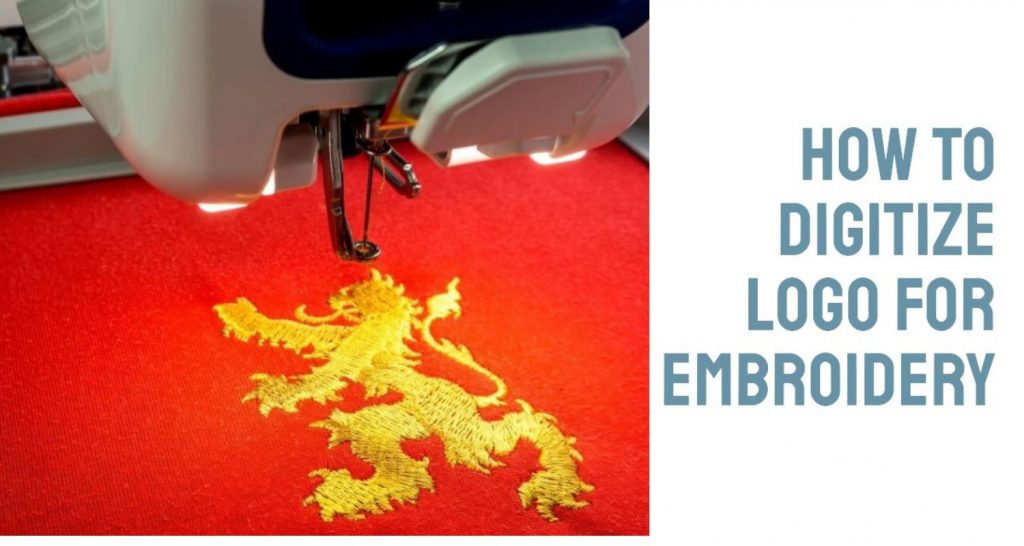
Stitching artwork into an embroidery design file that can be used on your embroidery machine is a process known as embroidery digitizing.  It is done by using embroidery software. Just as changing one photo format to another, digitizing for embroidery is not the same.  This article will explore the world of embroidery logo digitizing with us, as we cover everything from the fundamentals to advanced techniques and time-tested tactics to help you stay competitive in this quick-paced field. Discover the newest development in this art form, from straightforward logo digitization to more complex methods. Want To Professionally Digitize Your Logo for Your Business? Turn your logo into stunning embroidery with our expert digitizing services. Get Free Quote Now What Is Logo Digitization? Digitizing a logo for embroidery is a tedious procedure designed to convert a company’s or person’s logo into a format that is compatible with embroidery machines. For an embroidery machine to replicate the logo’s beautiful transformation, its design must be broken down into a precise series of stitches and threads.  The digitized logo functions as a set of instructions for the machine, precisely controlling its movements to recreate the logo with flawless precision. The amalgam of digital accuracy and the tactile art of embroidery produces amazing results to bring logos to life on fabrics, ensuring an extremely precise and intricate replication of the original layout. Raster vs Vector Images Understanding the fundamental difference between raster and vector graphics is crucial for achieving high-quality embroidered logos. Raster images are made up of individual pixels, therefore when they are scaled, their quality may decline, making them less suitable for the fine craft of embroidery. Vector graphics, on the other hand, are carefully created using mathematical routes and forms, preventing them from quality decline when resized.  Because of their natural precision and scalability, vector art pictures are the best option for digitizing because they ensure the final embroidered version of a logo will always be sharp and intact, no matter how big or little. This understanding is fundamental to obtaining perfect outcomes when it comes to embroidery logo digitizing. Machine-Specific Embroidery File Formats .dst: Tajima commercial embroidery machines use this file format .exp: File format for embroidery on Melco commercial machines .jef: Janome commercial embroidery machines employ this format .kwk: Format used for embroidery files on Brother commercial machines .dsb: This is the file format for Barudan commercial embroidery machines .tap: Happy commercial embroidery machines utilize this file format How to Digitize a Logo for Embroidery? The skill of custom digitizing embroidery has become essential to the customization and personalization of logos in the ever-evolving fields of branding and fashion. Following the latest advances in digitizing is crucial. Digitizing a logo gives your design a fascinating touch and assures it looks polished and precise when embroidered on various materials and fabrics.  Any graphical shape can be transformed into lovely machine-stitched embroidery that can be applied to any type of fabric through the process of logo digitization. Here are some steps that help us in determining how to digitize a logo for embroidery.  Step 1: To ensure successful embroidery, begin with a high-resolution logo in vector format (AI or EPS) for scalability. If you’re utilizing a raster image, ensure it’s at least 300 DPI for fine detail duplication. Remove any unnecessary elements and simplify the colors by cleaning the image. This lays the groundwork for precise cap digitizing and improves the embroidered outcome. Working with a skilled digitizer may assist you in fine-tuning your logo’s preparation for the greatest embroidery results. Step 2: Take your fabric’s proportions and location into consideration when determining the necessary embroidery design size. Consider the texture and thickness of the fabric. For a balanced embroidered outcome, make sure the logo dimensions and positioning match the design goals. Step 3: Select a stitch type according to the intricacy of your design. Fill stitches are used for vast regions, Satin threads are used for smooth sections, and Straight stitches are used for exact outlines. To improve the overall visual appeal and accuracy of your embroidered logo, make sure your stitch selection complements the unique features of your design. Consider the texture and dimensionality that each stitch type may bring to the design in order to achieve the desired look. Step 4: Specify the thread direction or sewing pattern for each design element precisely. This includes identifying the starting and finishing places of each stitch, as well as the sequence in which they are sewn. To achieve the desired look, pay close attention to how the stitches flow. A neat and polished appearance is ensured by properly indicating thread orientation. Step 5: Choose your embroidery thread colors carefully to ensure they complement the original colors of your logo. This stage involves precisely matching thread colors to the tones in your logo to ensure a correct portrayal in the embroidery. Color selection must be done with care in order to keep the brand’s identity and visual consistency in the final result. Step 6: Load the finalized embroidery file into your embroidery machine to begin the stitching process. This step involves transferring the digitized design to the machine and verifying that it is appropriately aligned and ready for embroidery. Once loaded, the machine will produce your embroidered logo by following the specified instructions. Step 7: To begin, thoroughly set up the embroidery machine, making sure the hoop and thread are properly positioned. Attaching the embroidery hoop securely to the machine’s arm, threading the machine with the desired thread colors, and ensuring that the fabric is securely held within the hoop are all part of the proper machine setup. Accurate execution of your embroidered pattern requires precise setup. Step 8: Verify the accuracy of the digitized logo by embroidering a sample. This step allows you to inspect the embroidered result closely and make any required adjustments to the design, thread tension, or colors. By testing a sample, you can ensure that the final embroidery matches your expectations in terms of quality and visual fidelity to

8 Easy Steps About How To Digitize A Logo for Embroidery Read More »

Basics of Embroidery Digitizing

The Basics of Embroidery Digitizing: An Introduction to the Process

Embroidery digitizing is a process that has revolutionized the textile and apparel industry. It has opened up new possibilities for creating custom designs and intricate patterns that were once thought to be impossible to achieve. With the advancement of technology, embroidery digitizing has become more accessible and affordable, making it a popular choice for businesses and individuals alike. In this article, we will introduce you to the basics of embroidery digitizing. We will take a closer look at what it is, how it works, and the benefits it offers. Whether you’re a business owner looking to add embroidery to your products or an embroidery enthusiast looking to create custom designs, this article will provide you with the information you need to get started. So, let’s dive in and explore the world of embroidery digitizing together. What is Embroidery Digitizing? Embroidery digitizing involves using specialized software to create a digital file of an embroidery design. The process begins by scanning or drawing the design, which is then converted into a vector file format. The digitizer then uses the software to create a stitch file that contains instructions for the embroidery machine. Tools for Embroidery Digitizing: To create embroidery designs, digitizers use specialized software that allows them to create and manipulate vector files. Popular software options include Wilcom, Pulse, and Hatch Embroidery. Additionally, digitizers use tools such as digitizing tablets, stylus pens, and embroidery machines to test and refine their designs. The Digitizing Process: The digitizing process involves several steps, including image selection, file conversion, and stitch creation. The first step is to select an image that will be digitized. This can be a photograph or a drawing, and it is important to choose an image with a high level of detail. The image is then converted into a vector file format, which can be edited using digitizing software. Once the vector file has been created, the digitizer uses the software to create a stitch file. This involves setting parameters for stitch density, stitch type, and stitch direction. The digitizer will also test the design on an embroidery machine to ensure that it is accurate and free of errors. Tips for Successful Digitizing: To create successful embroidery designs, it is important to follow a few key tips. First, choose a design that is appropriate for the embroidery process. This means selecting an image with a high level of detail that can be accurately replicated using stitches. Second, take the time to refine the design using digitizing software, adjusting stitch parameters as necessary. Finally, test the design on an embroidery machine to ensure that it is accurate and free of errors. Quick Wrap-Up In conclusion, embroidery digitizing is a crucial aspect of modern-day embroidery that has revolutionized the industry. It has enabled businesses to produce high-quality, intricate designs with speed and precision, giving them a competitive edge in the market. However, mastering the art of embroidery digitizing takes time and practice. By understanding the basics of embroidery digitizing, you can gain a solid foundation to build your skills on. Keep in mind that the process of digitizing is not a one-size-fits-all solution, and every design requires a unique approach. With patience, practice, and the right tools and techniques, you can create beautiful, intricate embroidery designs that are sure to impress.

The Basics of Embroidery Digitizing: An Introduction to the Process Read More »

How to Create Custom Embroidery Designs with Digitizing Services

How to Create Custom Embroidery Designs with Digitizing Services

Embroidery is an ancient art that has been around for centuries. It involves decorating fabric with a needle and thread to create intricate designs. With the advent of technology, embroidery has become more accessible, and digitizing services have made it easier to create custom designs. Embroidery digitizing services use specialized software to convert an image into a digital embroidery file that can be stitched onto fabric using an embroidery machine. In this article, we will explore how to create custom embroidery designs using digitizing services. We will discuss the benefits of using digitizing services, the steps involved in creating a custom design, and the factors to consider when choosing a digitizing service provider. By the end of this article, you will have a better understanding of how to create custom embroidery designs and how digitizing services can help you bring your designs to life. 1- Choose Your Design: The first step in creating a custom embroidery design is to choose a design that you want to embroider. You can create your own design or choose one from a variety of sources such as clipart, logos, or even photographs. Make sure that the design is clear and easy to distinguish. 2- Convert Design to Digital Format: Once you have chosen your design, the next step is to convert it into a digital format. This can be done by scanning the image or using design software to recreate the design. The design software will allow you to make adjustments to the design, such as resizing or changing colors. 3- Choose Your Fabric: The fabric you choose for your embroidery project will affect the overall look of the finished product. Make sure to choose a fabric that is suitable for embroidery and that will hold the stitches well. Cotton, linen, and silk are all good choices for embroidery. 4- Choose Your Thread: The thread you choose will also affect the final look of your embroidery design. Embroidery thread comes in a variety of colors and thicknesses, so make sure to choose a thread that will complement your design. You can choose a single color or use multiple colors to create a more complex design. 5- Choose Your Stitching Technique: There are various stitching techniques that you can use for embroidery, such as satin stitch, running stitch, or backstitch. The stitching technique you choose will depend on the design and the effect you want to achieve. You can also combine different stitching techniques for a more complex design. 6- Use Digitizing Services: Once you have chosen your design, fabric, thread, and stitching technique, it’s time to use digitizing services to create your custom embroidery design. Digitizing services use specialized software to convert your design into a format that can be read by embroidery machines. This process is called digitizing. 7- Test Your Design: Before you start embroidering your design, it’s a good idea to test it on a small piece of fabric to make sure that the design is clear and the stitching is accurate. This will also give you an idea of how the finished product will look. 8- Embroider Your Design: Once you have tested your design, it’s time to embroider it onto your chosen fabric. Make sure to follow the instructions for your embroidery machine and use the appropriate thread and stitching technique. Take your time and enjoy the process of creating your custom embroidery design. 9- Finalizing Your Design: After you have made any necessary adjustments to your design, it’s time to finalize it. Save the digitized file and create a production sample to ensure that the final product meets your expectations. Quick Wrap-Up In conclusion, creating custom embroidery designs requires a combination of creativity, technical expertise, and the right tools. Digitizing services provide businesses and individuals with the ability to translate their ideas into stunning embroidery designs that can be used for a wide range of applications. By following the steps outlined in this article and working with a reliable digitizing service provider, you can bring your embroidery design ideas to life with ease and confidence. So go ahead, unleash your creativity, and start creating custom embroidery designs that will make a lasting impression.

How to Create Custom Embroidery Designs with Digitizing Services Read More »

Embroidery Digitizing for Personal Use: Ideas and Inspiration

Embroidery Digitizing for Personal Use: Ideas and Inspiration

Embroidery digitizing has become an increasingly popular method for personalizing and customizing fabrics and garments. With the help of specialized software and equipment, it is now possible to transform any design or image into a digital file that can be stitched onto fabric. Embroidery digitizing allows you to create unique and personalized pieces that reflect your individual style and personality. Whether you’re looking to create a custom piece for yourself or a thoughtful gift for someone special, embroidery digitizing provides endless possibilities for creativity and self-expression. In this article, we will explore some ideas and inspiration for embroidery digitizing for personal use, and how you can bring your vision to life with the help of a professional embroidery digitizing service like Punch Digitizing. What is Embroidery Digitizing? Embroidery digitizing is the process of converting a design or artwork into a digital file that can be read by an embroidery machine. This allows the machine to stitch the design onto fabric with precision and accuracy. Digitizing involves a combination of software and expertise to ensure that the design is converted into a format that can be read by the machine. The digitizer must take into account the type of fabric, thread, and machine being used to create the design. Ideas and Inspiration for Embroidery Digitizing Here are some ideas and inspiration for using embroidery digitizing for personal use. 1- Personalized Gifts Embroidered gifts are a thoughtful way to show someone you care. Consider digitizing a design of the recipient’s name or initials to add a personalized touch to a gift. This can work well for items like towels, blankets, and bags. 2- Clothing Customized clothing is a great way to express your personal style. Embroidery digitizing can be used to add a unique design to a shirt, jacket, or even a pair of jeans. Consider digitizing a design that is meaningful to you, such as a favorite quote or a favorite animal. 3- Accessories Accessories like hats, scarves, and gloves are perfect for embroidery digitizing. You can add a design that matches your personal style or a design that represents a favorite hobby or interest. For example, if you love gardening, you can digitize a design of a flower or a gardening tool. 4- Home Decor Embroidery digitizing can also be used to add a personal touch to your home decor. You can digitize a design of your family’s name or a favorite quote to add to a throw pillow or a wall hanging. Digitizing a design of a favorite pet or animal can also be a great way to add personality to your home. 5- Personalized Clothing Labels If you enjoy sewing your own clothing or accessories, consider digitizing a personalized label. This label can include your name, the name of your brand, or a custom design. This adds a professional touch to your handmade items and makes them more personalized. How PunchDigitizing Can Help You? If you’re new to embroidery digitizing, it can be overwhelming to figure out where to start. That’s where PunchDigitizing comes in. We specialize in providing high-quality embroidery digitizing services for personal and commercial use. Our team of experienced digitizers can take your designs and convert them into a digital file that can be read by any embroidery machine. We work with a wide range of embroidery formats, including DST, PES, JEF, and more. With our fast turnaround times and competitive pricing, you can trust us to deliver high-quality results every time. Conclusion Embroidery digitizing for personal use provides endless possibilities for creativity and personalization. With the help of PunchDigitizing, you can bring your ideas to life and create unique designs that can be cherished for years to come. Whether you’re looking to create personalized gifts, unique home decor, or custom clothing and accessories, embroidery digitizing is a great way to add a personal touch to any item. So why wait? Start exploring the world of embroidery digitizing today!

Embroidery Digitizing for Personal Use: Ideas and Inspiration Read More »